معلومات المقرر
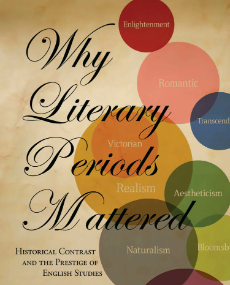
Studying literary periods and movements involves categorizing literature by shared historical contexts, themes, styles (like Realism, Romanticism, Modernism), and philosophical ideas, helping us understand how literature evolves and reflects society, with movements being specific groups/goals (e.g., Symbolism, Transcendentalism) and periods broader eras (e.g., Victorian, Renaissance). This study provides context for works, revealing cultural shifts, author intentions, and reader experiences across time, from Old English to Postmodern eras
- Renaissance (1485–1660): Humanism, art, Shakespeare.
- Enlightenment/Neoclassical (17th–18th C): Logic, order, science (Pope, Swift).
- Romanticism (Late 18th–Mid 19th C): Emotion, nature, individualism (Wordsworth, Poe, Transcendentalists like Emerson, Thoreau).
- Victorian Period (1837–1901): Social issues, industrial growth (Dickens, Brontë sisters).
- Modernism (Early 20th C): Experimental forms, stream-of-consciousness, alienation (Joyce, Woolf, Eliot).
- Postmodernism (Post-1945): Skepticism, playfulness, fragmentation (Toni Morrison).
- معلم: ghani zohra